



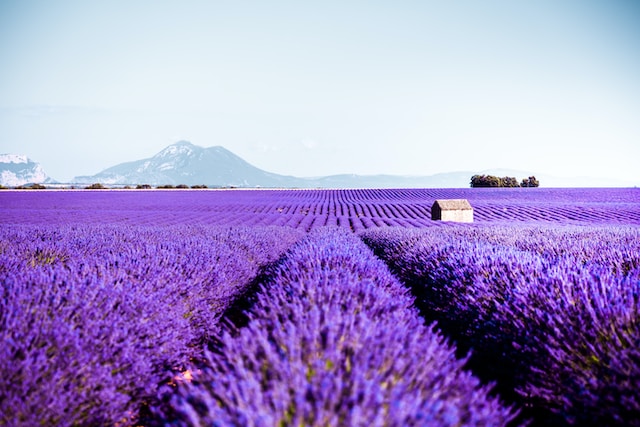
- The top three lavender resorts: Sault, Abbaye Notre-Dame de Sénanque, Valensole! More opportunities to appreciate Van Gogh's painting of the same sunflower flower sea!
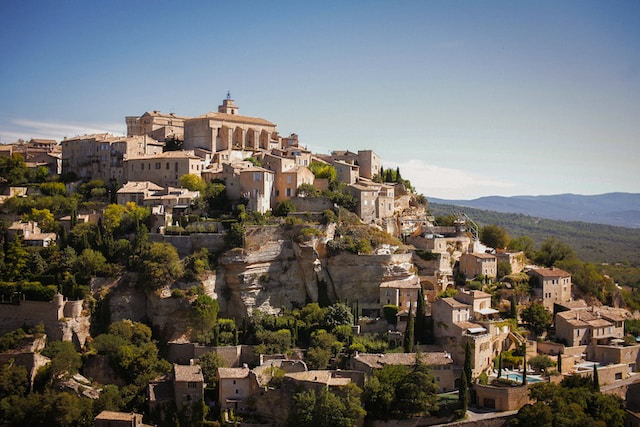
- The most beautiful town in Provence - Stone City, you can quietly feel the tranquility and vitality brought by the castle, church, stairs, and the blooming flowers around you.
- We will go to visit Dalí Theatre-Museum, Le Café Van Gogh, Médiathèque d'Arles and Carrières de Lumières!
- World Heritage City - Andorra, a rare pocket country to visit, weighing heavily!
- Traveling through mountains and rivers for great value: Montserrat and Lac De Sainte Croix, which will definitely make you linger and forget to return!
- Five major specialties for dining, allowing you to enjoy the delicacies of various countries!!)
- Carefully arrange the Serravalle Designer Outlet, the largest outlet in Europe, to meet your shopping needs!



Bus Tour

Day Tour

Things to do
Contact Us by Email
X


From CAD $

- Overview
- Itinerary
- Important Info
- Cancellation Policy
- Additional Info
- Related Product
- Reviews
Share
- Copy Link
- Email
[Gold] Southern France Lavender Theme Tour丨Barcelona+ Andorra+ France, Avignon+ Sault+ Abbaye Notre-Dame de Sénanque+ Valensole+ Monaco+ Genoa+ Milan 10 days 8 nights tour
[Gold] Southern France Lavender Theme Tour丨Barcelona+ Andorra+ France, Avignon+ Sault+ Abbaye Notre-Dame de Sénanque+ Valensole+ Monaco+ Genoa+ Milan 10 days 8 nights tour
Sold Out
Select a date
<
May - 2026
>
Sun
Mon
Tue
Wed
Thu
Fri
Sat
1
2
3
4
5
6
7
8
9
10
11
12
13
14
15
16
17
18
19
20
21
22
23
24
25
26
27
28
29
30
31
- Currency in CAD dollar
- Best deal we found shown in calendar
- By click specific date to know more details
Manual Confirmation
Select number of traveler
Room 1
Adult(s)
18 - 99
−1+
+ Add another room
 Tour Code: BCNMXP10
 Product Code: 3663810
 Tour Type: Bus Tour
 Duration: 10s
 Start City: Barcelona End City: Milan
 Language:
Chinese,English
Language:
Chinese,English
Overview
Itinerary
Day 1
Home - Barcelona

Description
Begin your amazing and unforgettable journey with us today by taking a plane ride to Barcelona. You will stay overnight on the plane and three meals will be at your own expense.
Begin your amazing and unforgettable journey with us today by taking a plane ride to Barcelona. You will stay overnight on the plane and three meals will be at your own expense.
Day 2
Barcelona
Description
Welcome to Barcelona! A tour guide will pick you up at Barcelona Airport (BCN) at 11:00, 15:00 and 19:00. You can freely move around in the city. In the afternoon, you will be arranged to check in at the hotel to rest and recharge for the wonderful journey ahead.
Welcome to Barcelona! A tour guide will pick you up at Barcelona Airport (BCN) at 11:00, 15:00 and 19:00. You can freely move around in the city. In the afternoon, you will be arranged to check in at the hotel to rest and recharge for the wonderful journey ahead.

Accommodation
Eurostars Executive;Or Exe Barbera Parc;Or similar;
Eurostars Executive;Or Exe Barbera Parc;Or similar;
Day 3
Montserrat - Girona - Figueres
Description
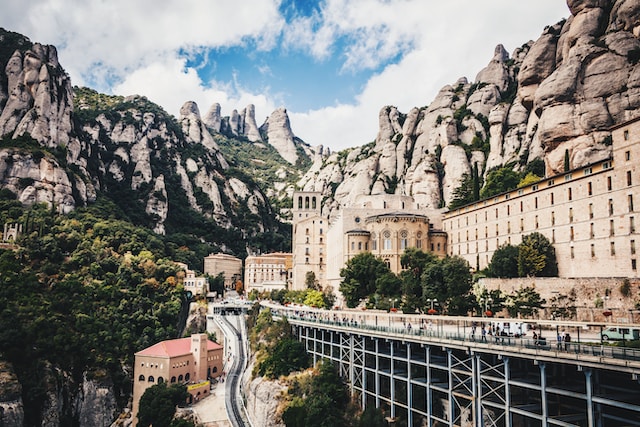
After breakfast, we will first head to Montserrat, which is known locally as the "Holy Mountain.". With its unique landforms, clouds and mists, as well as the rocks that can be seen everywhere, it seems particularly peaceful and noble, and has been worshipped by people for centuries. Then we will go to Girona, where the Onyar River passes through the city, with beautiful medieval buildings and a labyrinth of streets. Following, we will visit one of the world's famous Gothic cathedrals, the Catedral de Girona, which is only second in size to St. Peter's Cathedral in the Vatican in the world's pillarless church architecture. Finally, we will visit Figueres, the birthplace of world-class painter Salvador Dalí.
Itinerary:
Montserrat (Include downhill cable ticket, 3 hours) → Girona (60 mins) → Catedral de Girona (Outside Visit, 30 mins) → Figueres ( 30 mins)
Montserrat
Montserrat is a rocky mountain range in Catalonia, Spain. “Montserrat” translates to “saw mountain” in Catalan, owing to this mountain range’s jagged, sawtooth appearance. Sitting atop the mountain range is Santa Maria de Montserrat, a Benedictine monastery. Located inside of the monastery is a statue of the of the Virgin of Montserrat, one of the few black madonnas of Europe. This is Catalonia’s most important religious retreat, as many people make an overnight hike to watch the sunrise from the peak of Montserrat.
Girona
Girona, located in Catalonia, Spain, sits between Barcelona and Costa Brava. It’s a gorgeous place to visit, with medieval walls, narrow winding city streets, and one of the best preserved Jewish Quarters in Europe. A walk on the medieval walls is a must-do activity while in Girona. The city walls span the eastern border of the old town of Girona. From the top of the walls, the views over the city are spectacular.
Catedral de Girona
The Catedral de Girona is located at the highest point of the city; It has the widest Gothic spaceship in the world, with a total width of 22.98 meters. Its construction began in the Romanesque style of the 11th century, followed by the Gothic style of the 13th century, retaining only the Romanesque ambulatory of the 12th century and the contemporary tower of 1040; It ended in the 18th century.
Figueres
The town of Figueres situated inland in the province of Girona in Catalonia, is best known for being the home of Salvador Dalí; yet visitors to this town with its deep Catalan roots, will find much more than Dali memories. Figueres is teeming with cultural attractions and has a full festival program throughout the year for visitors to enjoy. Figueres is the last town before the Spanish/French border in the county of Alt Empordà, set between the Pyrenees and the Costa Blanca.
After breakfast, we will first head to Montserrat, which is known locally as the "Holy Mountain.". With its unique landforms, clouds and mists, as well as the rocks that can be seen everywhere, it seems particularly peaceful and noble, and has been worshipped by people for centuries. Then we will go to Girona, where the Onyar River passes through the city, with beautiful medieval buildings and a labyrinth of streets. Following, we will visit one of the world's famous Gothic cathedrals, the Catedral de Girona, which is only second in size to St. Peter's Cathedral in the Vatican in the world's pillarless church architecture. Finally, we will visit Figueres, the birthplace of world-class painter Salvador Dalí.
Itinerary:
Montserrat (Include downhill cable ticket, 3 hours) → Girona (60 mins) → Catedral de Girona (Outside Visit, 30 mins) → Figueres ( 30 mins)
Montserrat
Montserrat is a rocky mountain range in Catalonia, Spain. “Montserrat” translates to “saw mountain” in Catalan, owing to this mountain range’s jagged, sawtooth appearance. Sitting atop the mountain range is Santa Maria de Montserrat, a Benedictine monastery. Located inside of the monastery is a statue of the of the Virgin of Montserrat, one of the few black madonnas of Europe. This is Catalonia’s most important religious retreat, as many people make an overnight hike to watch the sunrise from the peak of Montserrat.
Girona
Girona, located in Catalonia, Spain, sits between Barcelona and Costa Brava. It’s a gorgeous place to visit, with medieval walls, narrow winding city streets, and one of the best preserved Jewish Quarters in Europe. A walk on the medieval walls is a must-do activity while in Girona. The city walls span the eastern border of the old town of Girona. From the top of the walls, the views over the city are spectacular.
Catedral de Girona
The Catedral de Girona is located at the highest point of the city; It has the widest Gothic spaceship in the world, with a total width of 22.98 meters. Its construction began in the Romanesque style of the 11th century, followed by the Gothic style of the 13th century, retaining only the Romanesque ambulatory of the 12th century and the contemporary tower of 1040; It ended in the 18th century.
Figueres
The town of Figueres situated inland in the province of Girona in Catalonia, is best known for being the home of Salvador Dalí; yet visitors to this town with its deep Catalan roots, will find much more than Dali memories. Figueres is teeming with cultural attractions and has a full festival program throughout the year for visitors to enjoy. Figueres is the last town before the Spanish/French border in the county of Alt Empordà, set between the Pyrenees and the Costa Blanca.

Meal
Dinner included
Accommodation
Hotel Pirineos;Or similar;
Hotel Pirineos;Or similar;
Day 4
Figueres - Andorra - Carcassonne
Description
After breakfast, we will first drive to the Dali Theater Museum. Dali Theater Museum is a surrealist world created by Dali, and a "work of art" designed by Dali himself. Dali's paintings, sculptures, installation art, even animated films in cooperation with Disney, as well as his own collections, will always be attracted by unexpected whimsy. Then we will visit Andorra, one of the four pocket countries in the world. This is a shopping paradise and a famous tourist city with medieval style, which will definitely satisfy you! Finally, we will go to Château Comtal. From the appearance, it is a typical medieval European castle, with a cylindrical body and a conical roof, which is particularly eye-catching.
Itinerary:
Dalí Theatre-Museum (Inside Visit, Include ticket, 60 mins) → Andorra (90 mins) → Château Comtal (Include ticket, 60 mins)
Dalí Theatre-Museum
The Dalí Theatre-Museum is the largest surrealistic object in the world. It is located in the the former Municipal Theatre, a 19th century construction destroyed at the end of the Spanish Civil War. On its ruins, Dalí decided to create his museum. The Dalí Theatre-Museum's collection allows the visitors to capture the artistic journey of Salvador Dalí (1904-1989) through a broadspectrum of works. The route around the rooms allows visitors to capture his first artistic experiences, surrealism, nuclear mysticism and his passion for science, guiding them tothe works of the last part of his life.
Andorra
Andorra, small independent European coprincipality situated among the southern peaks of the Pyrenees Mountains and bounded by France to the north and east and by Spain to the south and west. It is one of the smallest states in Europe.
Château Comtal
The Château Comtal (Count’s Castle) is a medieval castle within the Cité of Carcassonne, the largest city in Europe with its city walls still intact. The castle was restored in 1853 by the architect Eugène Viollet-le-Duc. It was added to the UNESCO list of World Heritage Sites in 1997.
After breakfast, we will first drive to the Dali Theater Museum. Dali Theater Museum is a surrealist world created by Dali, and a "work of art" designed by Dali himself. Dali's paintings, sculptures, installation art, even animated films in cooperation with Disney, as well as his own collections, will always be attracted by unexpected whimsy. Then we will visit Andorra, one of the four pocket countries in the world. This is a shopping paradise and a famous tourist city with medieval style, which will definitely satisfy you! Finally, we will go to Château Comtal. From the appearance, it is a typical medieval European castle, with a cylindrical body and a conical roof, which is particularly eye-catching.
Itinerary:
Dalí Theatre-Museum (Inside Visit, Include ticket, 60 mins) → Andorra (90 mins) → Château Comtal (Include ticket, 60 mins)
Dalí Theatre-Museum
The Dalí Theatre-Museum is the largest surrealistic object in the world. It is located in the the former Municipal Theatre, a 19th century construction destroyed at the end of the Spanish Civil War. On its ruins, Dalí decided to create his museum. The Dalí Theatre-Museum's collection allows the visitors to capture the artistic journey of Salvador Dalí (1904-1989) through a broadspectrum of works. The route around the rooms allows visitors to capture his first artistic experiences, surrealism, nuclear mysticism and his passion for science, guiding them tothe works of the last part of his life.
Andorra
Andorra, small independent European coprincipality situated among the southern peaks of the Pyrenees Mountains and bounded by France to the north and east and by Spain to the south and west. It is one of the smallest states in Europe.
Château Comtal
The Château Comtal (Count’s Castle) is a medieval castle within the Cité of Carcassonne, the largest city in Europe with its city walls still intact. The castle was restored in 1853 by the architect Eugène Viollet-le-Duc. It was added to the UNESCO list of World Heritage Sites in 1997.
Meal
Dinner included
Accommodation
Kyriad Carcassonne - Aéroport;Or similar;
Kyriad Carcassonne - Aéroport;Or similar;
Day 5
Carcassonne - Pont du Gard - Arles - Avignon
Description
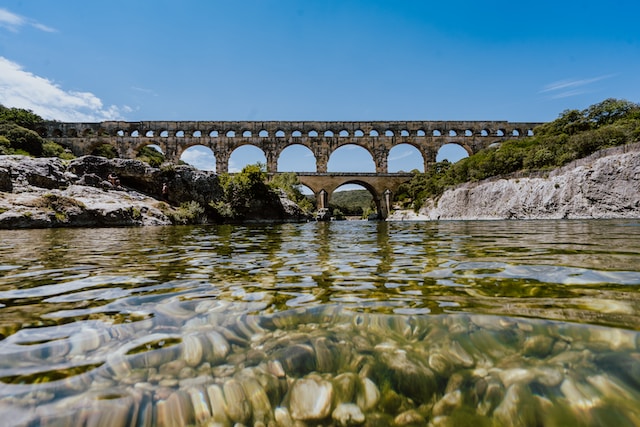
Starting from Carcassonne in the morning, we will first go to Pont du Gard. In 1985, the Pont du Gard was rated as a World Heritage Site by UNESCO. The 5 euro banknote shows this Pont du Gard. Afterwards, we will go to Arles, in addition to the Mediterranean sea breeze, there is also the boundless sea of sunflowers depicted by Van Gogh. When you come to Arles, you will understand what it is called "life is as beautiful as summer flowers"! Then we will go to the Arènes d'Arles. Now the bloody arena is mainly used for concerts and theatrical performances. Next, go to the Le Café Van Gogh and experience the rich artistic atmosphere here. Following, we will come to the Médiathèque d'Arles, not only can you visit the library and various shops, but you can also admire Van Gogh's famous paintings such as the restored "Courtyard of Arles Sanatorium". Then go to the Carrières de Lumières. It uses light and shadow to reshape art and pay tribute to artists. Being here is no longer a painting appreciation, but a painting. Next, we will go to Avignon, known as the "City of the Pope". The Palais des Papes and Notre Dame des Doms d'Avignon are ancient religious buildings, which are awe inspiring. Finally, we will arrive at Pont Saint-Bénezet, a broken bridge with a fragmentary beauty that captivates many people.
Itinerary:
Carcassonne → Pont du Gard (include ticket, 60 mins) → Arles (90 mins) → Arènes d'Arles (Outside Visit, 15 mins) → Le Café Van Gogh (Outside Visit, 15 mins) → Médiathèque d'Arles (Inside Visit, include ticket, 30 mins) → Carrières de Lumières (Include ticket, 60 mins)→ Avignon (60 mins) → Palais des Papes (Outside Visit, 30 mins) → Notre Dame des Doms d'Avignon (Outside Visit, 30 mins) → Pont Saint-Bénezet (30 mins)
Special Notes:
1. Sunflowers bloom in mid June to the end of July, and the flowering period varies slightly from year to year depending on the weather. If you are unable to enjoy the flower sea landscape, please understand.
Pont du Gard
The Pont du Gard is an ancient Roman aqueduct bridge built in the first century AD to carry water over 50 km (31 mi) to the Roman colony of Nemausus (Nîmes). It crosses the river Gardon near the town of Vers-Pont-du-Gard in southern France. The Pont du Gard is the tallest of all Roman aqueduct bridges, as well as one of the best preserved. It was added to UNESCO's list of World Heritage sites in 1985 because of its exceptional preservation, historical importance, and architectural ingenuity.
Arles
Arles is a coastal city and commune in the South of France, a subprefecture in the Bouches-du-Rhône department of the Provence-Alpes-Côte d'Azur region, in the former province of Provence. It's easy to understand why Vincent Van Gogh was so charmed by Arles, with its sun-kissed stone houses, cobbled squares, and Roman ruins. Set on the banks of the Rhône River, the city also harbors a robust contemporary arts scene.
Arènes d'Arles
The Arles Amphitheatre (French: Arènes d'Arles) is a Roman amphitheatre in the southern French town of Arles. Two-tiered, it is probably the most prominent tourist attraction in the city which thrived in Ancient Rome. The towers jutting out from the top are medieval add-ons. Built in 90 AD, the amphitheatre held over 20,000 spectators of chariot races and bloody hand-to-hand battles. Lately, it draws smaller crowds for bullfighting during the Feria d'Arles[1] as well as plays and concerts in summer.
Le Café Van Gogh
In the center of the beautiful ancient city of Arles, at the famous Place du Forum, our restaurant Caf é Van Gogh gathers all the ingredients to make a wonderful time for you. Here, the aroma of Provence's Kamag cuisine makes your mouth water. Only we know the recipe that allows you to experience the true culinary moment: homemade specialty dishes, fresh products, and a warm atmosphere waiting for you. Médiathèque d'Arles The library was opened in 1821 within the affiliated building of the City Hall. Its collection includes 4500 works from religious groups that were confiscated by the revolution (such as Mon Aristide Maillol Monastery), as well as the library of Forrest de Saint Vincent, the former president of the Provencal Parliament. In the 19th and 20th centuries, manuscripts and printed materials related to urban citizens, churches, and political history were added to the collection. In 1888 and 1889, Vincent van Gogh visited twice. The first was due to his famous argument with Gauguin (with missing ears), and the second was due to mental issues. Although the hospital was closed to the public in 1974, H ô tel Dieu retained its internal services until 1986.
Carrières de Lumières
Discover the unique and remarkable character of the place and reveal its minerals. The quarries were dug out over the years to extract the limestone. Masterpieces are projected onto the huge walls, pillars and floors of the quarry. They transport you to colourful worlds with music. Over a hundred video projectors project images onto more than 7,000 m² of floor space.
Avignon
Avignon, city, capital of Vaucluse département, Provence–Alpes–Côte d’Azur région, southeastern France. It lies at a point on the east bank of the Rhône River where the narrow valley opens into a broad delta plain, northwest of Nîmes. It was the capital of the papacy from 1309 to 1377. Recognized for its architectural beauty and historic importance, the centre of Avignon was designated a UNESCO World Heritage site in 1995, and the city served as the European cultural capital for 2000.
Palais des Papes
The Palais des Papes (English: Palace of the Popes; lo Palais dei Papas in Occitan) is a historical palace located in Avignon, Southern France. It is one of the largest and most important medieval Gothic buildings in Europe.[1] Once a fortress and palace, the papal residence was a seat of Western Christianity during the 14th century. Since 1995, the Palais des Papes has been classified, along with the historic center of Avignon, as a UNESCO World Heritage Site, for its outstanding architecture and historical importance for the Papacy.
Notre Dame des Doms d'Avignon
Avignon Cathedral (French: Cathédrale Notre-Dame des Doms d'Avignon) is a Roman Catholic church located next to the Palais des Papes in Avignon, France. The cathedral is the seat of the Archbishop of Avignon. The cathedral was listed as a Monument historique in 1840. In 1995, the cathedral, along with the Palais des Papes and other historic buildings in the Avignon city center, became a UNESCO World Heritage Site because of its outstanding architecture and its importance during the 14th and 15th centuries.
Pont Saint-Bénezet
The Saint Bénezet bridge, a major witness of the history of Avignon, is known throughout the world thanks to the famous song. Built from the 12th century, it was washed away several times by the floods of the Rhone, and finally abandoned in the seventeenth century. Classified World Heritage by UNESCO.
Starting from Carcassonne in the morning, we will first go to Pont du Gard. In 1985, the Pont du Gard was rated as a World Heritage Site by UNESCO. The 5 euro banknote shows this Pont du Gard. Afterwards, we will go to Arles, in addition to the Mediterranean sea breeze, there is also the boundless sea of sunflowers depicted by Van Gogh. When you come to Arles, you will understand what it is called "life is as beautiful as summer flowers"! Then we will go to the Arènes d'Arles. Now the bloody arena is mainly used for concerts and theatrical performances. Next, go to the Le Café Van Gogh and experience the rich artistic atmosphere here. Following, we will come to the Médiathèque d'Arles, not only can you visit the library and various shops, but you can also admire Van Gogh's famous paintings such as the restored "Courtyard of Arles Sanatorium". Then go to the Carrières de Lumières. It uses light and shadow to reshape art and pay tribute to artists. Being here is no longer a painting appreciation, but a painting. Next, we will go to Avignon, known as the "City of the Pope". The Palais des Papes and Notre Dame des Doms d'Avignon are ancient religious buildings, which are awe inspiring. Finally, we will arrive at Pont Saint-Bénezet, a broken bridge with a fragmentary beauty that captivates many people.
Itinerary:
Carcassonne → Pont du Gard (include ticket, 60 mins) → Arles (90 mins) → Arènes d'Arles (Outside Visit, 15 mins) → Le Café Van Gogh (Outside Visit, 15 mins) → Médiathèque d'Arles (Inside Visit, include ticket, 30 mins) → Carrières de Lumières (Include ticket, 60 mins)→ Avignon (60 mins) → Palais des Papes (Outside Visit, 30 mins) → Notre Dame des Doms d'Avignon (Outside Visit, 30 mins) → Pont Saint-Bénezet (30 mins)
Special Notes:
1. Sunflowers bloom in mid June to the end of July, and the flowering period varies slightly from year to year depending on the weather. If you are unable to enjoy the flower sea landscape, please understand.
Pont du Gard
The Pont du Gard is an ancient Roman aqueduct bridge built in the first century AD to carry water over 50 km (31 mi) to the Roman colony of Nemausus (Nîmes). It crosses the river Gardon near the town of Vers-Pont-du-Gard in southern France. The Pont du Gard is the tallest of all Roman aqueduct bridges, as well as one of the best preserved. It was added to UNESCO's list of World Heritage sites in 1985 because of its exceptional preservation, historical importance, and architectural ingenuity.
Arles
Arles is a coastal city and commune in the South of France, a subprefecture in the Bouches-du-Rhône department of the Provence-Alpes-Côte d'Azur region, in the former province of Provence. It's easy to understand why Vincent Van Gogh was so charmed by Arles, with its sun-kissed stone houses, cobbled squares, and Roman ruins. Set on the banks of the Rhône River, the city also harbors a robust contemporary arts scene.
Arènes d'Arles
The Arles Amphitheatre (French: Arènes d'Arles) is a Roman amphitheatre in the southern French town of Arles. Two-tiered, it is probably the most prominent tourist attraction in the city which thrived in Ancient Rome. The towers jutting out from the top are medieval add-ons. Built in 90 AD, the amphitheatre held over 20,000 spectators of chariot races and bloody hand-to-hand battles. Lately, it draws smaller crowds for bullfighting during the Feria d'Arles[1] as well as plays and concerts in summer.
Le Café Van Gogh
In the center of the beautiful ancient city of Arles, at the famous Place du Forum, our restaurant Caf é Van Gogh gathers all the ingredients to make a wonderful time for you. Here, the aroma of Provence's Kamag cuisine makes your mouth water. Only we know the recipe that allows you to experience the true culinary moment: homemade specialty dishes, fresh products, and a warm atmosphere waiting for you. Médiathèque d'Arles The library was opened in 1821 within the affiliated building of the City Hall. Its collection includes 4500 works from religious groups that were confiscated by the revolution (such as Mon Aristide Maillol Monastery), as well as the library of Forrest de Saint Vincent, the former president of the Provencal Parliament. In the 19th and 20th centuries, manuscripts and printed materials related to urban citizens, churches, and political history were added to the collection. In 1888 and 1889, Vincent van Gogh visited twice. The first was due to his famous argument with Gauguin (with missing ears), and the second was due to mental issues. Although the hospital was closed to the public in 1974, H ô tel Dieu retained its internal services until 1986.
Carrières de Lumières
Discover the unique and remarkable character of the place and reveal its minerals. The quarries were dug out over the years to extract the limestone. Masterpieces are projected onto the huge walls, pillars and floors of the quarry. They transport you to colourful worlds with music. Over a hundred video projectors project images onto more than 7,000 m² of floor space.
Avignon
Avignon, city, capital of Vaucluse département, Provence–Alpes–Côte d’Azur région, southeastern France. It lies at a point on the east bank of the Rhône River where the narrow valley opens into a broad delta plain, northwest of Nîmes. It was the capital of the papacy from 1309 to 1377. Recognized for its architectural beauty and historic importance, the centre of Avignon was designated a UNESCO World Heritage site in 1995, and the city served as the European cultural capital for 2000.
Palais des Papes
The Palais des Papes (English: Palace of the Popes; lo Palais dei Papas in Occitan) is a historical palace located in Avignon, Southern France. It is one of the largest and most important medieval Gothic buildings in Europe.[1] Once a fortress and palace, the papal residence was a seat of Western Christianity during the 14th century. Since 1995, the Palais des Papes has been classified, along with the historic center of Avignon, as a UNESCO World Heritage Site, for its outstanding architecture and historical importance for the Papacy.
Notre Dame des Doms d'Avignon
Avignon Cathedral (French: Cathédrale Notre-Dame des Doms d'Avignon) is a Roman Catholic church located next to the Palais des Papes in Avignon, France. The cathedral is the seat of the Archbishop of Avignon. The cathedral was listed as a Monument historique in 1840. In 1995, the cathedral, along with the Palais des Papes and other historic buildings in the Avignon city center, became a UNESCO World Heritage Site because of its outstanding architecture and its importance during the 14th and 15th centuries.
Pont Saint-Bénezet
The Saint Bénezet bridge, a major witness of the history of Avignon, is known throughout the world thanks to the famous song. Built from the 12th century, it was washed away several times by the floods of the Rhone, and finally abandoned in the seventeenth century. Classified World Heritage by UNESCO.
Meal
Dinner included
Accommodation
ibis Avignon Centre Pont De L'Europe; Or similar;
ibis Avignon Centre Pont De L'Europe; Or similar;
Day 6
Lavender Tour in Provence Region
Description
Provence is the hometown of lavender, with vast and charming purple lavender blooming freely, romantic and beautiful. Today we will first go to Sault, a large native lavender growing area around the world. The lavender in Sault is native, which has a more pleasant fragrance compared to mixed lavender. Strolling in the purple flower sea, it has a unique charm. Then we will head to Gordes, one of the three major towns in Provence, and visit the medieval town depicted in Peter Mayer's "Years of Mountain Dwelling". Finally, we will go to Abbaye Notre-Dame de Sénanque, a nearly thousand year old monastery hidden in a peaceful valley. In the early summer lavender season, the fields were covered in purple lavender, creating a dreamlike and beautiful scene that left one lingering.
Itinerary:
Sault (90mins) → Gordes (90mins) → Abbaye Notre-Dame de Sénanque (Outside Visit, 60mins)
Special Notes:
1. The best flowering period for the lavender field in Sault is from mid June to early August, and the Abbaye Notre-Dame de Sénanque is from 06/20 to 07/15.
Sault
Sault, a village full of character set on a rocky outcrop, overlooks the valley where the gold of the wheat fields melds with the blue of the lavender. It's the ideal departure point for discovering the Mont Ventoux, the Gorges of the Nesque, the Toulourenc Valley, the Lure Mountain, the Albion plateau and the nearby villages of the Drôme Provençale and the Alpes de Haute Provence
Gordes
Built on the foothills of the Monts of Vaucluse, facing the Luberon, Gordes is one of the most well-known hilltop villages in the region, and one of the most beautiful in France. Its houses and buildings of white stone root themselves into the sharp cliff of the mountain, its labyrthinth of "calades" (narrow cobblestone streets) do not leave the visitor indifferent to its charms.
Abbaye Notre-Dame de Sénanque
Abbaye Notre-Dame de Sénanque is a Cistercian abbey near the village of Gordes in the département of the Vaucluse in Provence, France. If you're searching for that classic postcard shot of the medieval abbey surrounded by a sea of purple lavender, look no further. This sublime Cistercian abbey provides one of the most iconic shots of the Luberon, and it's equally popular these days for selfies. The best displays are usually in July and August.
Provence is the hometown of lavender, with vast and charming purple lavender blooming freely, romantic and beautiful. Today we will first go to Sault, a large native lavender growing area around the world. The lavender in Sault is native, which has a more pleasant fragrance compared to mixed lavender. Strolling in the purple flower sea, it has a unique charm. Then we will head to Gordes, one of the three major towns in Provence, and visit the medieval town depicted in Peter Mayer's "Years of Mountain Dwelling". Finally, we will go to Abbaye Notre-Dame de Sénanque, a nearly thousand year old monastery hidden in a peaceful valley. In the early summer lavender season, the fields were covered in purple lavender, creating a dreamlike and beautiful scene that left one lingering.
Itinerary:
Sault (90mins) → Gordes (90mins) → Abbaye Notre-Dame de Sénanque (Outside Visit, 60mins)
Special Notes:
1. The best flowering period for the lavender field in Sault is from mid June to early August, and the Abbaye Notre-Dame de Sénanque is from 06/20 to 07/15.
Sault
Sault, a village full of character set on a rocky outcrop, overlooks the valley where the gold of the wheat fields melds with the blue of the lavender. It's the ideal departure point for discovering the Mont Ventoux, the Gorges of the Nesque, the Toulourenc Valley, the Lure Mountain, the Albion plateau and the nearby villages of the Drôme Provençale and the Alpes de Haute Provence
Gordes
Built on the foothills of the Monts of Vaucluse, facing the Luberon, Gordes is one of the most well-known hilltop villages in the region, and one of the most beautiful in France. Its houses and buildings of white stone root themselves into the sharp cliff of the mountain, its labyrthinth of "calades" (narrow cobblestone streets) do not leave the visitor indifferent to its charms.
Abbaye Notre-Dame de Sénanque
Abbaye Notre-Dame de Sénanque is a Cistercian abbey near the village of Gordes in the département of the Vaucluse in Provence, France. If you're searching for that classic postcard shot of the medieval abbey surrounded by a sea of purple lavender, look no further. This sublime Cistercian abbey provides one of the most iconic shots of the Luberon, and it's equally popular these days for selfies. The best displays are usually in July and August.
Meal
Dinner included Provence Style Meal
Accommodation
Escale Oceania Aix-en-Provence; Or similar;
Escale Oceania Aix-en-Provence; Or similar;
Day 7
Aix-en-Provence - Valensole - Lac De Sainte Croix - Cannes
Description
After breakfast, we will first go to Valensole to watch lavender. Valensole is the birthplace of lavender and the largest lavender planting area on the land. It is the best lavender viewing point, where you can take stunning photos. Then we will head to Lac De Sainte Croix. The canyon of Lac De Sainte Croix is the most famous canyon in Europe, with not only azure sky and clear lake water, but also stunning scenery that will surely leave you lingering! Finally, we will drive to the charming small city of Cannes for a tour.
Itinerary:
Valensole (60mins) → Lac De Sainte Croix (120mins) → Cannes (60mins)
Special Notes:
1. The best flowering period of Valensole is 06/20-07/15.
Valensole
Set on its plateau in a kaleidoscopic swirl of lavender blue and wheaten gold, Valensole is a picturesque town on the northern edge of the Verdon Regional Nature Park. With 300 days of sunshine a year, Valensole is true to its name: it comes from the Latin Vallis and solis and means valley of the sun. The medieval village is built like an amphitheatre on the side of a hill overlooking a small river valley. The streets and alleys snake their way up to the 11th century St Blaise church with its immense bell tower at the top. The church's façade is in a Provençal Romanesque style and the choir is gothic. Inside, you can admire beautiful stone carvings, the rib vaulted ceilings, the 16th century stalls and the columns' capitals adorned with acanthus leaves and phantasmagoric figures.
Lac De Sainte Croix
The Lac de Sainte-Croix is a leisure lake and reservoir within the Regional Natural Park of Verdon, created in 1974. There are various places of interest along the shores of the lake and in the immediate vicinity.
Cannes
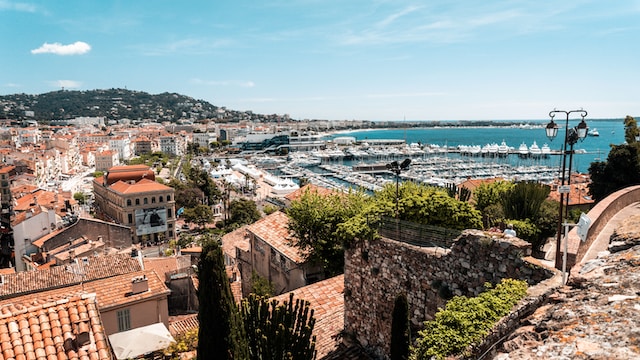
Cannes is a city located on the French Riviera. It is a commune located in the Alpes-Maritimes department, and host city of the annual Cannes Film Festival, Midem, and Cannes Lions International Festival of Creativity. The city is known for its association with the rich and famous, its luxury hotels and restaurants, and for several conferences.
After breakfast, we will first go to Valensole to watch lavender. Valensole is the birthplace of lavender and the largest lavender planting area on the land. It is the best lavender viewing point, where you can take stunning photos. Then we will head to Lac De Sainte Croix. The canyon of Lac De Sainte Croix is the most famous canyon in Europe, with not only azure sky and clear lake water, but also stunning scenery that will surely leave you lingering! Finally, we will drive to the charming small city of Cannes for a tour.
Itinerary:
Valensole (60mins) → Lac De Sainte Croix (120mins) → Cannes (60mins)
Special Notes:
1. The best flowering period of Valensole is 06/20-07/15.
Valensole
Set on its plateau in a kaleidoscopic swirl of lavender blue and wheaten gold, Valensole is a picturesque town on the northern edge of the Verdon Regional Nature Park. With 300 days of sunshine a year, Valensole is true to its name: it comes from the Latin Vallis and solis and means valley of the sun. The medieval village is built like an amphitheatre on the side of a hill overlooking a small river valley. The streets and alleys snake their way up to the 11th century St Blaise church with its immense bell tower at the top. The church's façade is in a Provençal Romanesque style and the choir is gothic. Inside, you can admire beautiful stone carvings, the rib vaulted ceilings, the 16th century stalls and the columns' capitals adorned with acanthus leaves and phantasmagoric figures.
Lac De Sainte Croix
The Lac de Sainte-Croix is a leisure lake and reservoir within the Regional Natural Park of Verdon, created in 1974. There are various places of interest along the shores of the lake and in the immediate vicinity.
Cannes
Cannes is a city located on the French Riviera. It is a commune located in the Alpes-Maritimes department, and host city of the annual Cannes Film Festival, Midem, and Cannes Lions International Festival of Creativity. The city is known for its association with the rich and famous, its luxury hotels and restaurants, and for several conferences.
Accommodation
Hotel du Pin Nice Port;Or similar;
Hotel du Pin Nice Port;Or similar;
Day 8
Cannes - Nice, Nizza - Monte Carlo - Genoa
Description
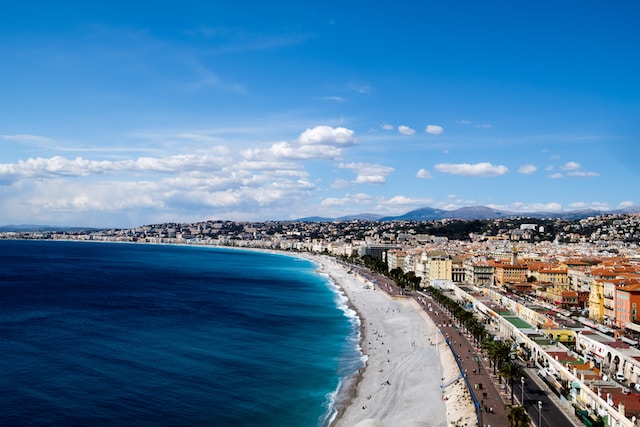
After breakfast, we will drive to Nice, Nizza, which is situated next to the blue coast. The azure waters and beautiful scenery are breathtaking. You can stroll by the seaside and breathe the fresh air of the Mediterranean. Then we will go to Bay of Angels. Next, go to the Promenade des Anglais, where you can enjoy the beautiful Mediterranean scenery and cobblestone beaches. Following, go to Monaco, the world's second smallest country, which was once on the brink of bankruptcy and was promoted to the world's most billionaire country due to casinos. Yachts on the coast, millions of mansions in mountain cities, F1 racing lanes, and enchanting casinos are all attractions that Monaco cannot miss. Finally, we will visit Genoa for a tour.
Itinerary:
Cannes → Nice,Nizza → Bay of Angels (60mins) → Promenade des Anglais (60mins)→ Monaco (60mins)→ Genoa (90mins)
Nice,Nizza
The best things to do in Nice include top attractions in one of the most popular holiday destinations on the French Riviera. Nicknamed ‘Nissa La Bella’ – Nice the beautiful, in the local dialect – this Mediterranean seaside city benefits from an all-year-round warm and pleasant climate. From its relaxed yet stylish atmosphere to the many attractive sights it hosts, Nice should be on the bucket list of every traveler visiting the southeast coast of France.
Bay of Angels
The Bay of Angels is an amazing site to discover! It is simply a beautiful place to see and filled with a true sense of beauty and tranquility.
Promenade des Anglais
Promenade des Anglais in Nice is the most important attraction in the city. It stretches for seven kilometers and provides an uninterrupted view of the azure sea and palm trees. In Nice, we call it the Prom but its full name is the Promenade des Anglais (Walkway of the English). Its name comes from the English aristocrats who came to Nice in the 18th century to enjoy the health benefits of the local climate. At that time, the shoreline was not so regular, and because the lords and their wives wanted to walk comfortably, a seaside promenade was built (with the hands and finances of the English people).
Monaco
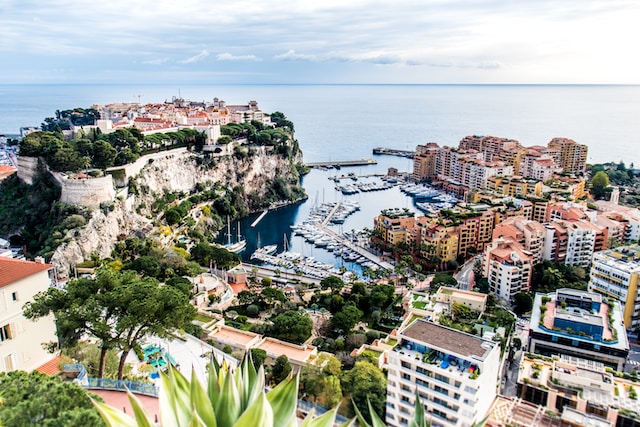
Monaco is the second-smallest independent state in the world. It is a playground for tourists and a haven for the wealthy, the former drawn by its climate and the beauty of its setting and the latter by its advantageous tax regime.
Genoa
Genoa, the capital of Liguria , is much more than just a large port city, as many consider it. It is a city full of history , full of many contrasts and surprising wonders all to be discovered: it is a city of art but also an industrial city; it is the largest Italian port but offers large welcoming beaches; it has glass skyscrapers next to stone towers; it is a vertical city with its tall buildings and narrow alleys; it shines with dazzling light on the seashore and remains in the perennial shadow in the most hidden alleys; it is the city of painted facades but also of slate black.
After breakfast, we will drive to Nice, Nizza, which is situated next to the blue coast. The azure waters and beautiful scenery are breathtaking. You can stroll by the seaside and breathe the fresh air of the Mediterranean. Then we will go to Bay of Angels. Next, go to the Promenade des Anglais, where you can enjoy the beautiful Mediterranean scenery and cobblestone beaches. Following, go to Monaco, the world's second smallest country, which was once on the brink of bankruptcy and was promoted to the world's most billionaire country due to casinos. Yachts on the coast, millions of mansions in mountain cities, F1 racing lanes, and enchanting casinos are all attractions that Monaco cannot miss. Finally, we will visit Genoa for a tour.
Itinerary:
Cannes → Nice,Nizza → Bay of Angels (60mins) → Promenade des Anglais (60mins)→ Monaco (60mins)→ Genoa (90mins)
Nice,Nizza
The best things to do in Nice include top attractions in one of the most popular holiday destinations on the French Riviera. Nicknamed ‘Nissa La Bella’ – Nice the beautiful, in the local dialect – this Mediterranean seaside city benefits from an all-year-round warm and pleasant climate. From its relaxed yet stylish atmosphere to the many attractive sights it hosts, Nice should be on the bucket list of every traveler visiting the southeast coast of France.
Bay of Angels
The Bay of Angels is an amazing site to discover! It is simply a beautiful place to see and filled with a true sense of beauty and tranquility.
Promenade des Anglais
Promenade des Anglais in Nice is the most important attraction in the city. It stretches for seven kilometers and provides an uninterrupted view of the azure sea and palm trees. In Nice, we call it the Prom but its full name is the Promenade des Anglais (Walkway of the English). Its name comes from the English aristocrats who came to Nice in the 18th century to enjoy the health benefits of the local climate. At that time, the shoreline was not so regular, and because the lords and their wives wanted to walk comfortably, a seaside promenade was built (with the hands and finances of the English people).
Monaco
Monaco is the second-smallest independent state in the world. It is a playground for tourists and a haven for the wealthy, the former drawn by its climate and the beauty of its setting and the latter by its advantageous tax regime.
Genoa
Genoa, the capital of Liguria , is much more than just a large port city, as many consider it. It is a city full of history , full of many contrasts and surprising wonders all to be discovered: it is a city of art but also an industrial city; it is the largest Italian port but offers large welcoming beaches; it has glass skyscrapers next to stone towers; it is a vertical city with its tall buildings and narrow alleys; it shines with dazzling light on the seashore and remains in the perennial shadow in the most hidden alleys; it is the city of painted facades but also of slate black.
Accommodation
Tower Genova Airport - Hotel & Conference Center;Or similar;
Tower Genova Airport - Hotel & Conference Center;Or similar;
Day 9
Genoa - Serravalle Designer Outlet - Milan
Description
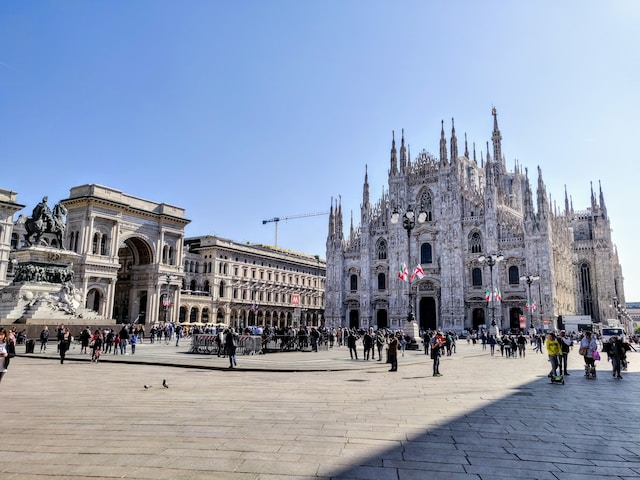
In the early morning, we will drive from Genoa to Milan. Our first stop will be at Serravalle Designer Outlet, the largest discount village in Europe. In addition to many luxury brands, the biggest feature of the Serravalle Designer Outlet is the presence of some relatively ordinary and affordable discount stores, as well as Lindt Chocolate, Ferrari fan stores, and some kitchen ware discount stores. Following, we will go to Milan, the holy land of opera, the capital of art, and known as the barometer of fashion in the world, to visit several landmark buildings in Milan - Milan Cathedral, Galleria Vittorio Emanuele II.
Itinerary:
Serravalle Designer Outlet (180 mins) → Milan Cathedral (Outside Visit, 60 mins) → Galleria Vittorio Emanuele II (60 mins)
Serravalle Designer Outlet
Serravalle Designer Outlet is Europe's largest Designer Outlet: here you can find your favourite brands up to 70% off, all year round. In our beautiful setting inspired by classic Italian architecture, enjoy our cafes and restaurants, Premium Parking, Guest Lounge and more than 230 stores. We have something for everyone: from iconic fashion brands like Armani, Burberry, Fendi, Gucci, Prada and Tod's, to sporting labels, like adidas Nike and Converse, and high-street favourites, like Coccinelle, Furla, Michael Kors and Moncler.
Milan Cathedral
The Cathedral of Milan is one of the greatest symbols of Milan! It is a uniquely and intricately deigned church. It is one of the largest cathedrals in Italy and all of Europe. The cathedral is a place of prayer and teachings and is truly a must-see in Milan!
Galleria Vittorio Emanuele II
The Galleria Vittorio Emanuele II is Italy's oldest active shopping gallery and a major landmark of Milan in Italy. Housed within a four-story double arcade in the center of town, the Galleria is named after Victor Emmanuel II, the first king of the Kingdom of Italy. The structure consists of two glass-vaulted arcades intersecting in an octagon covering the street connecting Piazza del Duomo to Piazza della Scala. The street is covered by an arching glass and cast-iron roof, a popular design for 19th-century arcades and the central octagonal space is topped with a glass dome.
In the early morning, we will drive from Genoa to Milan. Our first stop will be at Serravalle Designer Outlet, the largest discount village in Europe. In addition to many luxury brands, the biggest feature of the Serravalle Designer Outlet is the presence of some relatively ordinary and affordable discount stores, as well as Lindt Chocolate, Ferrari fan stores, and some kitchen ware discount stores. Following, we will go to Milan, the holy land of opera, the capital of art, and known as the barometer of fashion in the world, to visit several landmark buildings in Milan - Milan Cathedral, Galleria Vittorio Emanuele II.
Itinerary:
Serravalle Designer Outlet (180 mins) → Milan Cathedral (Outside Visit, 60 mins) → Galleria Vittorio Emanuele II (60 mins)
Serravalle Designer Outlet
Serravalle Designer Outlet is Europe's largest Designer Outlet: here you can find your favourite brands up to 70% off, all year round. In our beautiful setting inspired by classic Italian architecture, enjoy our cafes and restaurants, Premium Parking, Guest Lounge and more than 230 stores. We have something for everyone: from iconic fashion brands like Armani, Burberry, Fendi, Gucci, Prada and Tod's, to sporting labels, like adidas Nike and Converse, and high-street favourites, like Coccinelle, Furla, Michael Kors and Moncler.
Milan Cathedral
The Cathedral of Milan is one of the greatest symbols of Milan! It is a uniquely and intricately deigned church. It is one of the largest cathedrals in Italy and all of Europe. The cathedral is a place of prayer and teachings and is truly a must-see in Milan!
Galleria Vittorio Emanuele II
The Galleria Vittorio Emanuele II is Italy's oldest active shopping gallery and a major landmark of Milan in Italy. Housed within a four-story double arcade in the center of town, the Galleria is named after Victor Emmanuel II, the first king of the Kingdom of Italy. The structure consists of two glass-vaulted arcades intersecting in an octagon covering the street connecting Piazza del Duomo to Piazza della Scala. The street is covered by an arching glass and cast-iron roof, a popular design for 19th-century arcades and the central octagonal space is topped with a glass dome.
Meal
Dinner included
Accommodation
Grand Hotel Barone Di Sassj;Or similar;
Grand Hotel Barone Di Sassj;Or similar;
Day 10
Milan- Home
Description
Today we will wrap up a pleasant trip, and you can book a suitable flight to leave Milan Malpensa Airport (MXP) according to your needs.
Our staff only provides one drop-off service from the hotel at 7:00 in the morning. If the guest has an early flight and needs to leave the hotel before 7 o'clock to the airport, the guide can help the guest take a taxi.
Today we will wrap up a pleasant trip, and you can book a suitable flight to leave Milan Malpensa Airport (MXP) according to your needs.
Our staff only provides one drop-off service from the hotel at 7:00 in the morning. If the guest has an early flight and needs to leave the hotel before 7 o'clock to the airport, the guide can help the guest take a taxi.
- Day 1
- Day 2
- Day 3
- Day 4
- Day 5
- Day 6
- Day 7
- Day 8
- Day 9
- Day 10
News
Itinerary Tour
Important Info
Inclusions
1. Eight nights in average 3-star or 4-star hotels.
2. 8 breakfasts
3. Five special meals.
4. Tour guide.
5. The 2-7-person group is a 8-seater tour guide; the 25-50-seater air-conditioned bus is a professional foreign driver;
6. Attraction tickets: Montserrat one-way cable ticket, Pont du Gard, Dalí Theatre-Museum, Château Comtal, Médiathèque d'Arles, Carrières de Lumières.
Read More
Exclusions
1. Flight tickets, taxes, visa fees and passport processing fees.
2. Lunch and dinner.
3. Service fee: EUR12 per day per person.
4. Person fees such as laundry, haircut, telephone, fax, pay TV, drinks, tips and any expenses in the hotel.
5. Any personal expenses that are not listed in Fee Included.
Read More
Cancellation Policy
1. Itinerary Cancellation Policy:
-Less than 7 days prior to departure date (EST) : Penalty charge 100% of total tour fee
-Less than 14 days but 8 days prior to departure date (EST) : Penalty charge 75% of total tour fee
-Less than 21 days but 15 days prior to departure date (EST): Penalty charge 50% of total tour fee
22 days prior to departure date (EST) : Penalty charge 0% of total tour fee
Notes:
(1) Paid tour fees will NOT be refunded in the case of no-shows on the day of departure.
(2) If a guest quits during the trip or fails to participate in any itinerary due to personal reasons (no travel documents, late arrival, illness, accident, etc.), the paid tour fare will not be refunded, and no other services will be compensated.
(3) Additional hotel bookings before or after the tour as well as other services are subject to hotel cancellation policy to determine if a refund is possible.
2. In the event of weather, war, strikes and other force majeure that make it impossible to tour, Jupiter Legend will try its best to protect the safety of guests and their property. Jupiter Legend reserves the right to cancel or adjust part or all of the itinerary, and will not bear any direct or indirect responsibility caused by force majeure. The paid tour fee is non-refundable.
3. You can add "Book with confidence" insurance at $300 per traveler to your booking together. This will help you to enjoy peace of mind when booking your trip with "Book with confidence" insurance. This will allow you to adjust your departure date or receive a full refund 15 days before the departure. Even within 8 to 14 days before the departure, you can still reschedule the trip without a penalty.
Read more
Sold Out
See price details>>>
Select Date and Travelers
Select a date
<
May - 2026
>
Sun
Mon
Tue
Wed
Thu
Fri
Sat
1
2
3
4
5
6
7
8
9
10
11
12
13
14
15
16
17
18
19
20
21
22
23
24
25
26
27
28
29
30
31
- Currency in CAD dollar
- Best deal we found shown in calendar
- By click specific date to know more details
Manual Confirmation
Select number of traveler
Room 1
Adult(s)
18 - 99
−1+
+ Add another room

Know before you book:
· price quote in CAD and base on per person price on the selected date
· Child or infant shares bed with adult family member
E-service


Download our APP
Enjoy convience in travel
Enjoy voice guides to attractions
*This product support Westar E-service

Scan me to download

Get connected
Itinerary in one click
Attraction features
Connected to your guide
*This product support Westar E-service
Scan me to download

Accurate pick up
Real-time coach location and arrival time
*This product support Westar E-service
Scan me to download
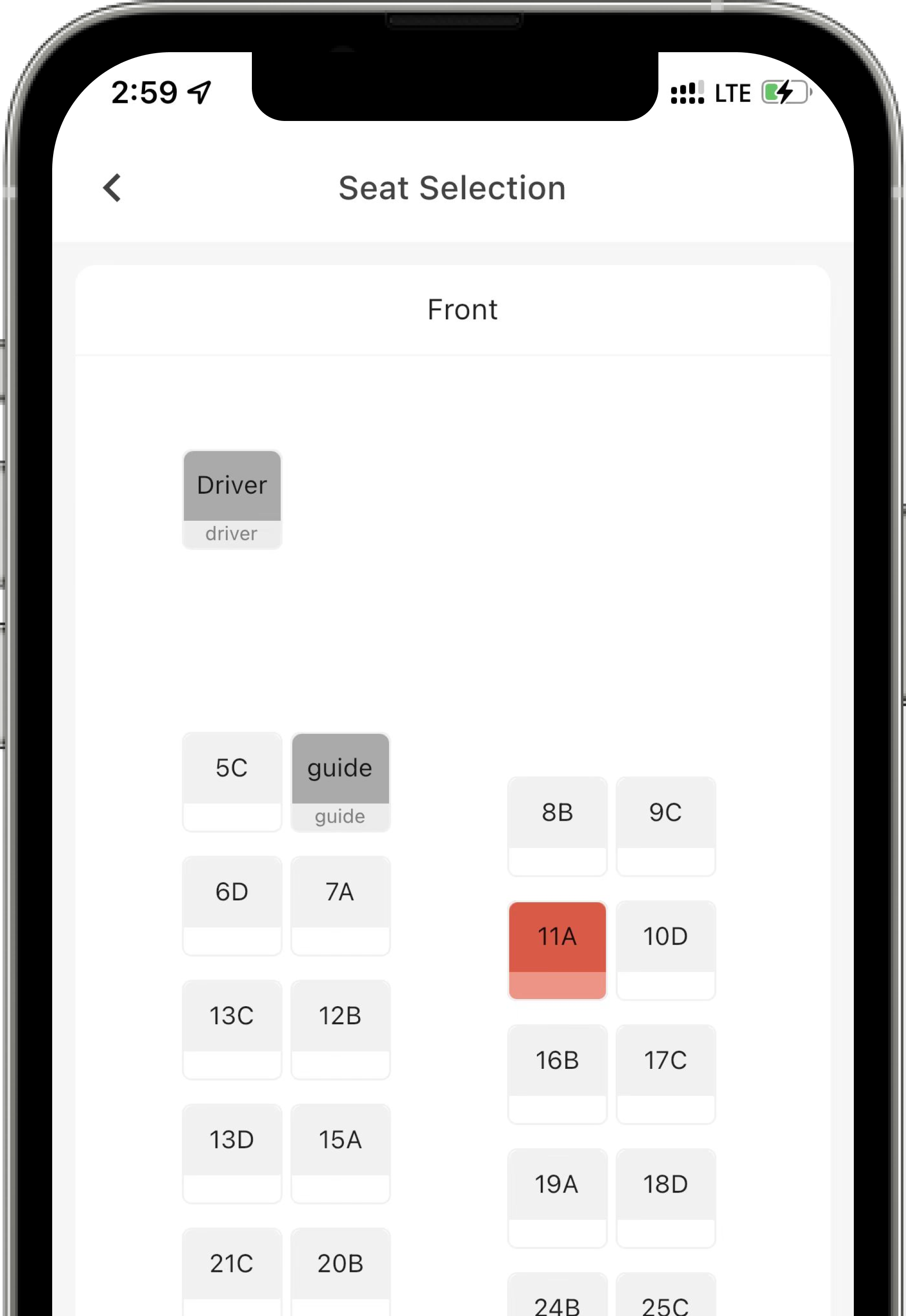
Free advance seat selection
*This product support Westar E-service
Scan me to download
Contact Us by Email
X
Quick Links
+
Help Center+
- Travel Insurance
- Site Map
Contact Us
+
- Bay 8, 3300 14 Ave NE,
Calgary AB, T2A 6J4, Canada - Tel: (403) 201-8525
- Toll Free: 1-855-201-8525
- Email: info@westartravel.ca
Office Hours-
- Daily9:30 am – 5:30 pm
Sign up for Westar Emails
Please input valid email address
Quick Links
Help Center
- Travel Insurance
- Site Map
Contact Us
- Bay 8, 3300 14 Ave NE,
Calgary AB, T2A 6J4, Canada - Tel: (403) 201-8525
- Toll Free: 1-855-201-8525
- Email: info@westartravel.ca
Office Hours
- Daily9:30 am – 5:30 pm
Sign up for Westar Emails
Please input valid email address